

The Wonders of Ice: From Nature’s Marvel to Modern Applications
Ice, a simple solid form of water, is one of nature’s most fascinating creations. It plays a vital role in our planet’s ecosystem and has become an indispensable resource in various industries. From preserving food to enabling scientific research, ice’s versatility and unique properties make it a cornerstone of modern life. Let’s explore the wonders of ice and its wide-ranging applications.
The Science of Ice
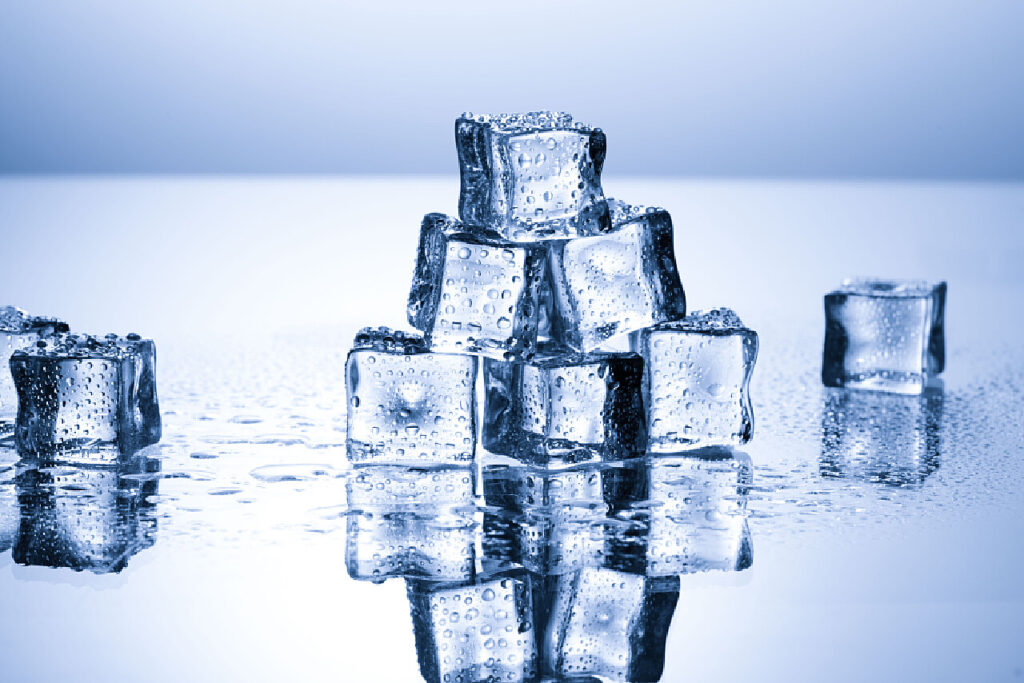
Ice forms when water molecules freeze at 0°C (32°F), creating a crystalline structure that is less dense than liquid water. This unique property allows ice to float, insulating aquatic life beneath it and maintaining the balance of marine ecosystems. Beyond its natural formation, ice can be artificially produced in various forms, such as flakes, cubes, tubes, and granules, each suited to specific needs.
Ice in Daily Life
Ice is deeply embedded in our daily routines. Here are some common uses:
Food Preservation: Ice is essential for keeping perishable items fresh, from seafood to dairy products. Its ability to maintain low temperatures slows bacterial growth, extending the shelf life of food.
Beverage Cooling: Whether it’s a refreshing iced coffee or a chilled cocktail, ice enhances the drinking experience by providing instant cooling.
Health and Wellness: Ice packs are widely used to reduce swelling, relieve pain, and treat injuries. Cryotherapy, which uses extreme cold for therapeutic purposes, is also gaining popularity.
Industrial and Commercial Applications
Beyond everyday uses, ice plays a critical role in various industries:
- Fisheries and Aquaculture: Ice is indispensable for preserving the freshness of caught fish during transport and storage.
- Concrete Cooling: In large-scale construction projects, ice is used to control the temperature of concrete, preventing cracks and ensuring structural integrity.
- Chemical and Pharmaceutical Industries: Ice is used to regulate temperatures during chemical reactions and to store sensitive materials.
- Entertainment: Ice rinks and ice sculptures are central to winter sports and events, bringing joy and creativity to people worldwide.
Environmental and Scientific Significance
Ice is not just a practical resource; it is also a key indicator of climate change. Glaciers and polar ice caps are melting at an alarming rate, highlighting the urgent need for environmental conservation. Scientists study ice cores to understand Earth’s climate history and predict future trends.
The Future of Ice Technology
As technology advances, so does the way we produce and use ice. Modern ice machines, such as flake ice makers, tube ice machines, and cube ice machines, are designed to meet the specific needs of industries like healthcare, hospitality, and food processing. Energy-efficient and eco-friendly ice production methods are also being developed to reduce environmental impact.
Conclusion
Ice is more than just frozen water; it is a vital resource that sustains life, drives industries, and inspires innovation. From its natural beauty to its practical applications, ice continues to amaze and serve humanity in countless ways. As we move forward, it is crucial to balance our reliance on ice with sustainable practices to protect this precious resource for future generations.

Focusun


YouTube